


When we talk about nurturing young lives, the focus often lands on education and nutrition, especially for women mothers, caregivers, teachers who play pivotal roles in ensuring children’s overall well-being. But in our quest to bridge physical, mental, and emotional gaps, an uncomfortable but crucial topic must not be overlooked: Child Sexual Assault (CSA). Understanding this sensitive issue is fundamental to creating a truly holistic, safe environment for our children to thrive.
What is Child Sexual Assault?
Child Sexual Assault refers to any sexual activity imposed on a child by an adult or older adolescent. It can include inappropriate touching, exposure to sexual content, indecent exposure, or sexual exploitation. Often, the abuser is known to the child a relative, neighbor, or family friend which makes detection and prevention challenging.
Why is Awareness Critical for Women Educators and Caregivers?
Women, as primary caregivers and educators in many communities, are uniquely positioned to notice changes in a child’s behavior, foster safe spaces for dialogue, and advocate for protections. Yet, lack of awareness, cultural stigma, and limited resources can leave gaps physical (unsafe environments), mental (lack of knowledge), and emotional (fear and shame) making children vulnerable.
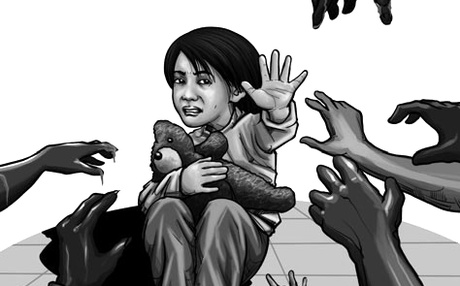
1. Physical Gaps
These refer to places where supervision is limited schools without safe policies, playgrounds with inadequate monitoring, even within extended families. Bridging this gap involves:
- Conducting safety audits at home and educational settings.
- Implementing clear policies about adult-child interactions.
- Training teachers and staff on spotting warning signs.
2. Mental Gaps
Educational deprivation and lack of awareness about CSA perpetuate ignorance. Bridging mental gaps means:
- Including age-appropriate education on “body safety” and consent in curriculums.
- Providing training for adults and children on recognizing and reporting abuse.
- Sharing resources about where and how to get help.
3. Emotional Gaps
Fear, shame, and confusion often silence victims. Bridging emotional gaps requires:
- Creating open, non-judgmental communication channels at home and in schools.
- Validating children’s feelings and ensuring they know whom to trust and talk to.
- Providing steady emotional support and, if needed, access to counseling
Holistic Prevention and Healing
A holistic approach to preventing and addressing CSA doesn’t just react it seeks to build resilience and awareness before harm occurs. Here’s how women can champion this cause:
- Model Communication: Regularly check in with children. Use anatomically correct language and encourage questions about safety.
- Advocate for Safe Environments: Join or start parent-teacher committees that focus on child protection policies.
- Empower Through Education: Share knowledge and resources with other women in your community empowerment spreads safety.
- Nutrition and Mental Health: Remember, a nourished body supports strong mental and emotional health. Children who feel physically well are better equipped to seek help and resist manipulation.
- Access Professional Help: If you suspect abuse, contact local child protection services immediately. Seek trauma-informed counselors for affected children.
Conclusion
Bridging the physical, mental, and emotional gaps around child sexual assault is not a one-time fix, but a continuous, communal effort. Women, as nurturers and educators, are at the heart of this protective web. By embracing holistic education that covers safety, nutrition, and emotional support, we can cultivate environments where children grow not just educated and nourished, but truly safe and empowered.
If you or someone you know needs support, don’t hesitate to reach out to local child protection organizations or hotlines. Together, we can keep all our children safer.


Leave a Reply